
The Emotional Toll of Gambling
Gambling in casinos can often lead to significant emotional strain, which is a cost that is frequently overlooked. The excitement and adrenaline that accompany gambling can quickly turn into anxiety and stress, particularly when losses begin to mount. Players may experience feelings of guilt or shame that can affect their mental health, especially when they are drawn to options like australian online casino instant payout that promise quick rewards. The emotional ups and downs associated with risking one’s money can create a rollercoaster of feelings, leaving players mentally drained long after they leave the casino.
Moreover, the social aspect of gambling can complicate emotional well-being. Relationships with family and friends may suffer due to secrecy or lying about gambling habits. As losses accumulate, the pressure to recoup lost funds can lead to irrational behavior, further isolating the gambler from their support network. Regular players may find that their self-esteem diminishes, as the thrill of winning becomes overshadowed by the fear of losing, creating a troubling cycle that can be difficult to escape.
Ultimately, the emotional cost of gambling, including anxiety, depression, and relationship challenges, can have far-reaching consequences. Recognizing these hidden emotional burdens is critical for gamers, as awareness can foster healthier gambling habits. Understanding the psychological impacts is essential for anyone considering stepping into a casino, ensuring they are prepared not just financially but also mentally for the gambling experience.
The Financial Risks Beyond the Betting Table
While many gamblers are aware of the risks of losing their wagered money, the financial costs extend far beyond the betting table. Players often find themselves overlooking the expenses incurred while visiting a casino, such as transportation costs, lodging, and dining. These additional expenses can accumulate quickly, adding significant amounts to the overall cost of a gambling experience. For instance, a night out at a casino might seem affordable at first, but when factoring in travel and meals, the costs can skyrocket.
Furthermore, many casinos employ tactics designed to encourage spending, such as complimentary drinks or promotional offers. While these may seem enticing at the moment, they can lead players to lose track of their spending. It’s easy to underestimate how much one has spent when alcohol is involved or when lured by the prospect of free entertainment. This gradual erosion of financial awareness can result in players financing a night of gambling without realizing the total outlay they’ve made.

Additionally, there’s also the potential for gambling to trigger unplanned financial behaviors, such as using credit cards to cover losses. This can lead to significant debt and financial instability. As gamblers attempt to recoup their losses, they may find themselves in a downward spiral, taking on more debt than they can handle. When evaluating the financial risks of gambling, it’s vital to consider these hidden costs and how they can impact a player’s financial health long-term.
The Cost of Time and Opportunity
The time spent in casinos is another hidden cost that gamblers often underestimate. Hours can turn into days as players get caught up in the thrill of the game. The time invested in gambling may lead to missed opportunities in personal or professional life. For many, the hours spent in front of slot machines or at poker tables could be better spent on productive activities such as work, hobbies, or spending time with loved ones. This wasted time can hinder personal growth and create further detriments in various aspects of life.
Moreover, the opportunity cost associated with gambling can be significant. Money spent at a casino could have been invested elsewhere, such as in savings, stocks, or even purchasing experiences that contribute to long-term happiness. By choosing to gamble, individuals may sacrifice potential future benefits for instant gratification. The allure of fast winnings can overshadow the reality of what is being forfeited, both financially and in terms of quality of life.
In essence, recognizing the cost of time and opportunity related to gambling is vital for anyone considering it as a pastime. Gamblers should reflect not only on the money they risk but also on the invaluable time they may be trading away. Understanding the full impact of their gambling habits can help individuals make more informed decisions about how they spend their leisure time.
The Impact on Health and Wellbeing
Gambling, especially in a casino environment, can have a notable impact on an individual’s physical health. The stress associated with gambling losses can lead to a range of health issues, including high blood pressure, anxiety disorders, and even addiction. Players may neglect their physical health by prioritizing gambling over regular exercise and healthy eating. Over time, these habits can lead to serious health implications that are often left unaddressed until they become significant issues.
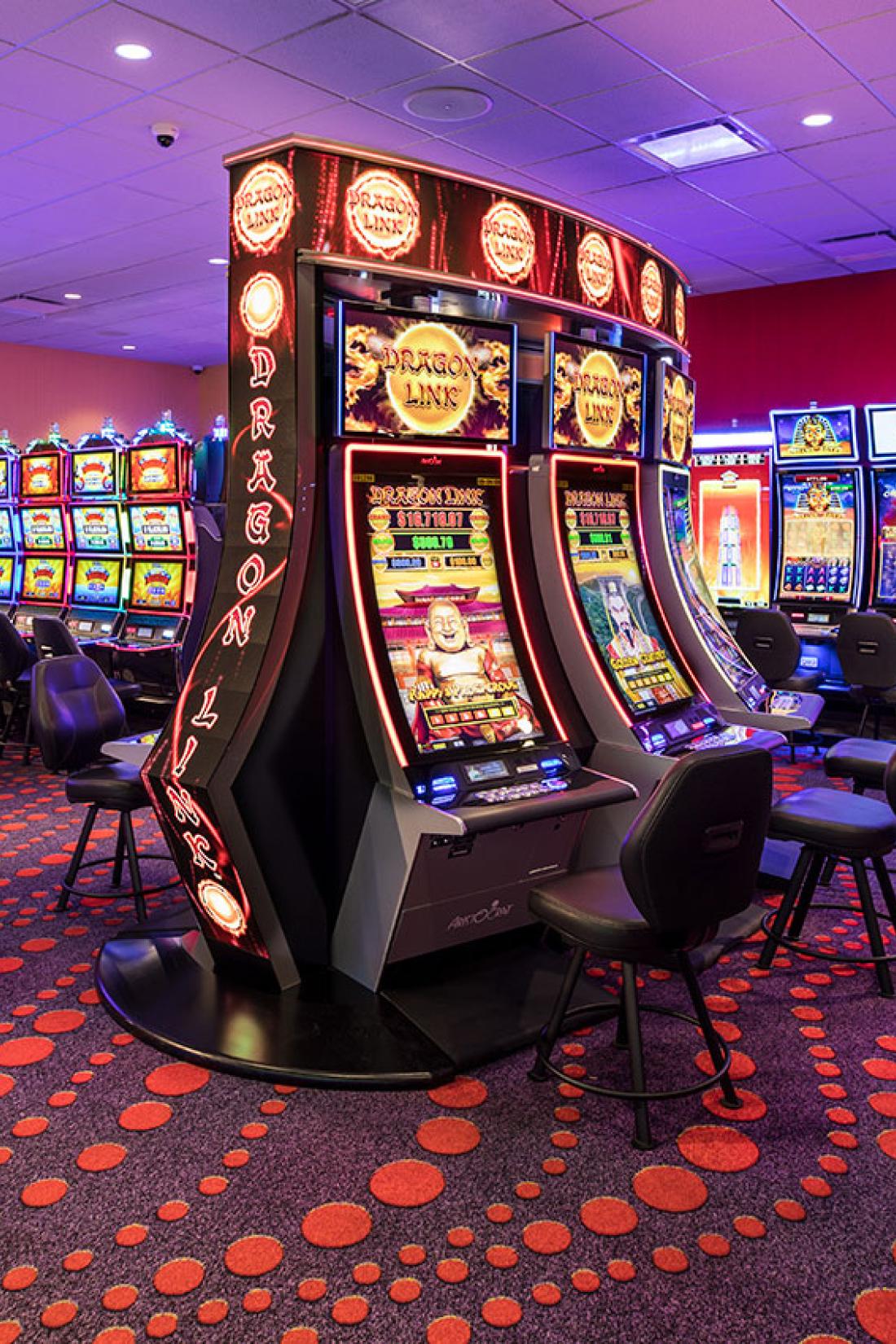
Additionally, the late nights and irregular sleeping patterns associated with prolonged gambling sessions can severely affect overall wellbeing. Sleep deprivation is linked to numerous health problems, including impaired cognitive function and a weakened immune system. As players chase their next win or attempt to recover losses, they may compromise their physical health, leading to a cycle of decline that is hard to break.
Moreover, the social isolation that often accompanies gambling addiction can have detrimental effects on mental health. Many gamblers find themselves withdrawing from their social circles, leading to feelings of loneliness and despair. The combination of physical neglect and micro-social challenges can create a perfect storm for a decline in overall health. It is crucial for gamblers to understand the impact that their habits can have on their health, prompting them to assess their gambling behaviors and strive for a more balanced lifestyle.
Finding Balance in Gambling Habits
Understanding the hidden costs of gambling in casinos is essential for players seeking to maintain balance in their gaming activities. Establishing limits on spending and time spent gambling can help create a healthier relationship with gaming. Players should set clear boundaries for how much money they are willing to risk and how much time they want to dedicate to gambling activities. This discipline can mitigate some of the hidden costs discussed by ensuring that gambling remains a form of entertainment rather than a source of stress.
Moreover, education plays a critical role in fostering responsible gambling. Resources for gamblers can provide valuable information about the risks involved and help them recognize the signs of problematic gambling behavior. Utilizing self-exclusion programs or support groups can assist those struggling with compulsive gambling patterns, helping them reclaim their lives and find enjoyment in healthier activities.
Ultimately, a balanced approach to gambling is key to enjoying the entertainment without falling victim to its hidden costs. Building awareness around the emotional, financial, and health-related impacts of gambling allows players to make informed choices. Recognizing that casino gambling should remain fun and entertaining—not detrimental—can pave the way for a more positive experience in the gaming world.